





|
Quantity
|
Total
|
||
|
|
|||
|
|
|||
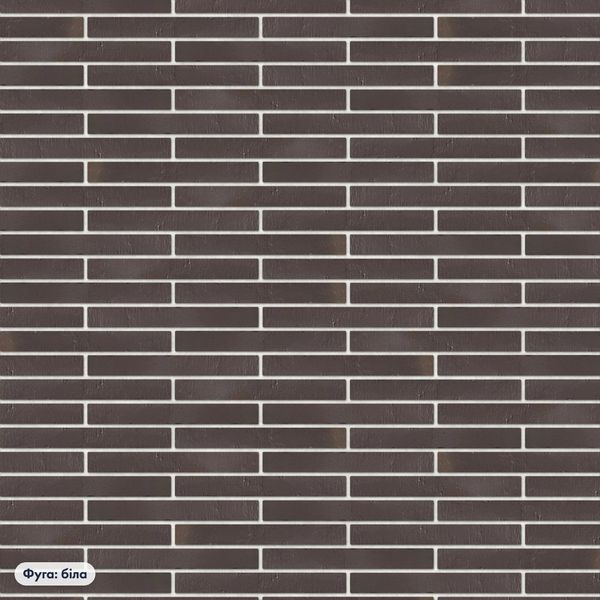
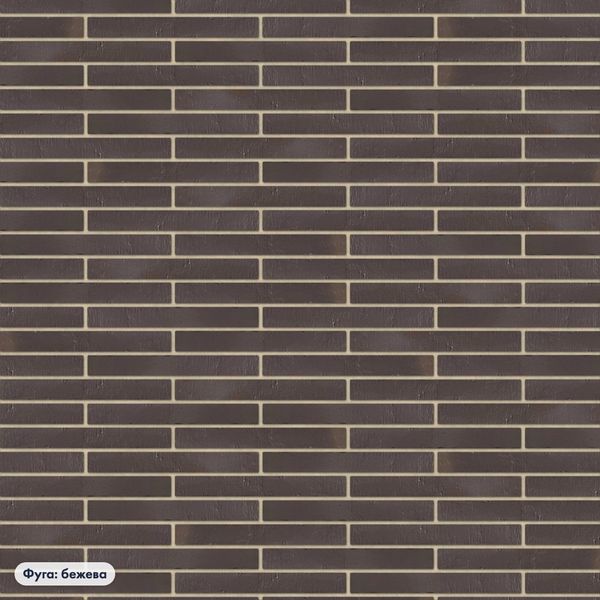
Insulated clinker panel Primeberg Glanzstücke № 1 — Stroeher tiles pressed into the insulation at the Primeberg factory in Ukraine: insulation and facade cladding in a single installation. Insulation thickness 40–200 mm, warranty up to 25 years.
Corner and reveal elements
Corner and reveal elements are not available for long-format tiles. Firstly, making such elements involves technical challenges. Secondly, it is simpler and more cost-effective to clad the whole facade, including corners and reveals, with standard panels, without separate corner and reveal elements.
Insulation thickness: which one to choose?
50 mm
Minimal additional insulation for already insulated houses or facades where the thickness cannot be increased. The effect is small: it is a corrective or decorative solution rather than full insulation.80 mm
An entry level of thermal insulation for relatively warm walls or regions with a mild climate. In Europe it is used for renovations but does not meet current energy-efficiency requirements for new homes.100 mm
A basic option for small buildings, cottages or houses used seasonally. It noticeably reduces heat loss, but in colder regions of Europe it is already considered the minimum.Optimal 120 mm
The most balanced solution for most detached homes in temperate and cold climates. It ensures a comfortable indoor climate and real savings on heating without excessive material costs.150 mm
A quality solution for energy-efficient detached homes with year-round living. It significantly cuts heating costs and brings you closer to low-energy or passive house standards.200 mm
The maximum level of insulation for northern regions or nearly zero-energy buildings (NZEB). Used where minimal heat loss matters more than saving on the initial cost.Not sure which thickness to choose? We will choose the best option for your project, taking into account the type of building, the climate zone and your budget.